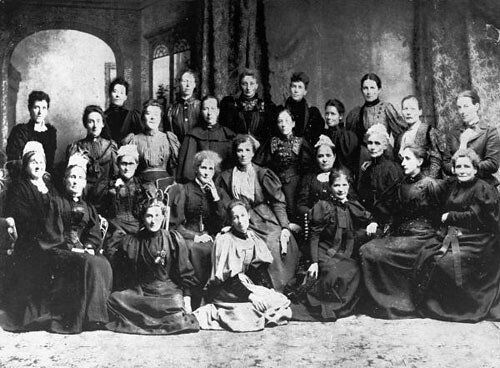
This section revisits the past to uncover the women whose contributions have shaped history but have too often been overlooked. Through historical features and profiles, we celebrate pioneers, leaders, and changemakers whose legacies continue to inspire future generations.
A System of Inequality
By: Micaela González
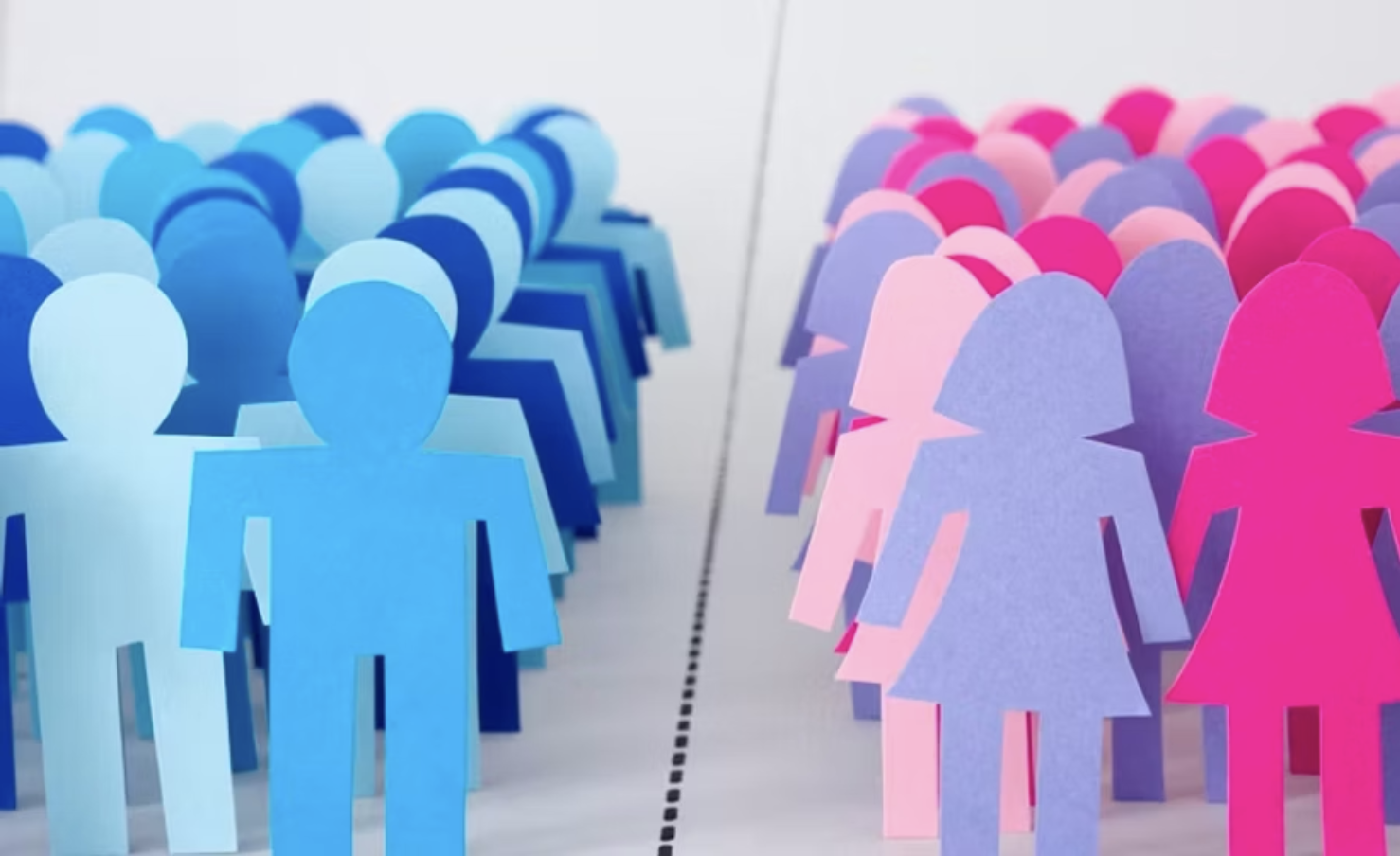
If we are all part of the human race, why has history treated women differently? Why have men held the upper hand for so long?
The answer is not rooted in biology alone but in power divisions. For much of history societies have followed patriarchal structures, a pattern that has become systematic generation after generation. Men were taught to read and write while women were taught to cook and clean; men were decision-makers while women were child-bearers. These beliefs were reinforced over time, shaping cultural norms, and as a result, inequality became embedded in society.
The origins of resistance to this imbalance can be traced back to the 19th century, as the first wave of feminism begins with the Seneca Falls Convention but becomes prominent in the early 20th century. March 8 is not just a random date; it comes from a defining moment in the women’s movement during the Russian Revolution. In 1917, during the final years of World War I, Russia, was facing economic collapse, causing extreme food shortages. It was in this context that thousands of women, many of them factory workers and mothers, took to the streets, demanding “Bread and Peace.” Their protest was not just about food; it directly addressed the war and inequality, becoming a symbol of change. These women redefined the female gender from passive victims to being capable of reshaping history.
However, the persistence of gender inequality is still present in the 21st century. Even today women only hold 64 percent of the legal rights of men (UN Women, 2026). This reality highlights that historical inequalities have not simply disappeared; instead, they have evolved, shape-shifting to our time. We have endured centuries of gender inequality;, now it is up to us to dismantle the system that divides mankind into female and male.
The "Why" Behind International Women's Day

On Sunday, March 8, the world paused, at least momentarily, to celebrate International Women’s Day. Social media was filled with graphics, brands rushed to post empowering slogans, and institutions issued statements about equality. But beneath the surface of this annual recognition lies a more uncomfortable question: have we begun to forget why this day exists in the first place?
International Women’s Day was not created for aesthetic celebration or corporate branding. It emerged from struggle, rooted in labor movements, protests, and the demand for basic rights that women have been denied for centuries. It is a day born from resistance, not convenience. Yet today, it risks being reduced to a symbolic gesture, one that allows society to feel progressive without confronting the inequalities that still persist.
We see this contradiction everywhere. Companies that post about “empowering women” often fail to address wage gaps within their own systems or facilities. Governments that publicly celebrate the day may still lack policies that protect women from violence or ensure equal opportunities. Even in everyday life, the expectations placed on women to be perfect, silent, and everything at once remain deeply rooted.
For younger generations, there is a danger in inheriting a version of International Women’s Day that feels complete, as if the fight has already been won. While progress has undeniably been made, equality is far from universal. Access to education, reproductive rights, workplace equity, and freedom from violence are still unevenly distributed realities. Recognizing this does not reduce the celebration; rather, it gives it purpose.
Remembering the “why” behind International Women’s Day means shifting from acknowledgment to reflection. It means asking difficult questions: Who is still being left behind? What systems continue to uphold inequality? And most importantly, what role do we play in either challenging or sustaining those systems?
International Women’s Day should not be a conclusion, but a checkpoint. A moment not just to honor achievements, but to confront unfinished work. Because until equality is not just an ideal but a lived reality for all women, the “why” behind this day remains as important as ever.
By: Amira Niezen