What are cover stories?
Our featured stories spotlight remarkable women, pressing issues, and powerful movements shaping the world today. Through in-depth reporting and compelling storytelling, each cover story offers a deeper look at the people and ideas driving change.
featuring:
sofia kalfa
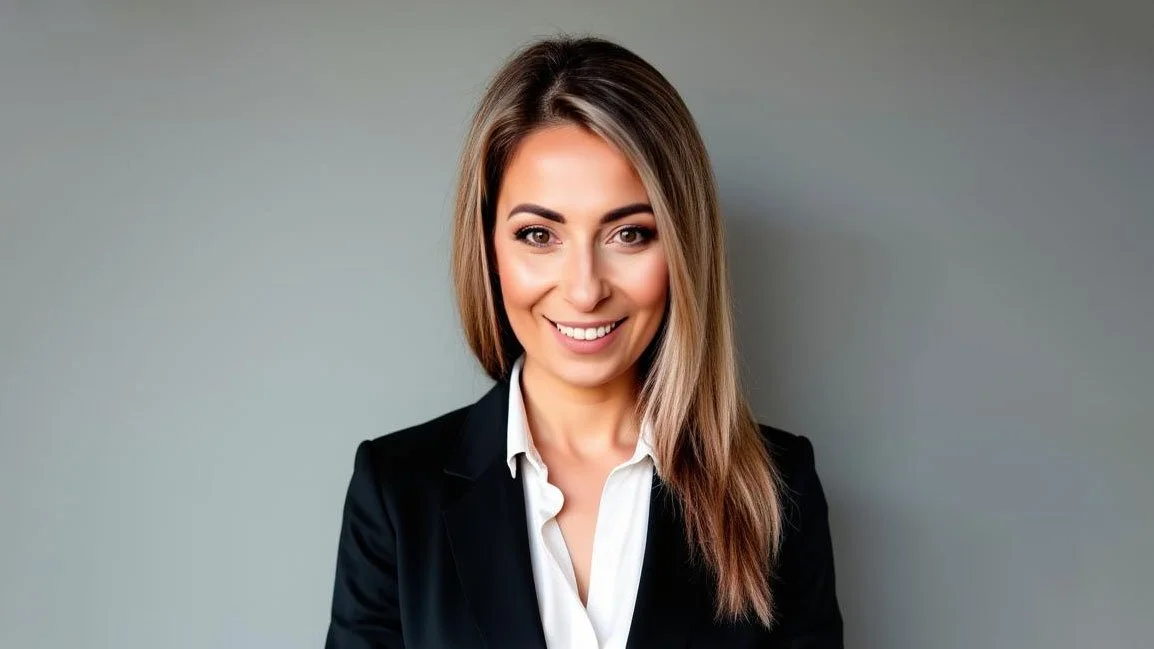
Winning first place in the 2026 Women Changing the World Business of the Year Award, Sofia Kalfa is proving that sustainability and success can go hand in hand. As Managing Partner of Fzin Coffee, she has helped transform the coffee industry by developing innovative biobased, compostable coffee capsules compatible with Nespresso machines. With an estimated 780 million coffee capsules used each year in Ireland alone, Fzin Coffee was set on rethinking one of the industry's greatest environmental challenges.
“Business succeeds only when it acts as a positive force within the wider ecosystem it operates in. Profit alone is a broken compass.”
Their capsules are made from more than 80% renewable plant-based materials and are designed to break down in home compost conditions. This offers consumers a more sustainable alternative without compromising coffee quality.
Fzin Coffee's commitment has earned widespread recognition. The company received the Gold Medal at the International Coffee Tasting (IIAC) 2024, followed by the Platinum Medal in 2025. It was also recognized at the Women in Food & Drink Awards 2026, while the Women Changing the World Awards 2025 honored the company with Silver for Business of the Year, Winner of the Rising Star Award, and Bronze for Changemaker.
Behind these achievements is Sofia's strong foundation in business excellence. She is a certified Project Management Professional (PMP), Lean Six Sigma Green Belt, Black Belt-trained, and a qualified Kaizen Facilitator, combining technical expertise with a passion for ongoing improvement. She also achieved a First Class Honors Bachelor's Degree in Business from Munster Technological University, an MSc in Professional Coaching, and a qualification in Applied Psychology from University College Cork.
Today, Sofia brings that same discipline to her leadership at Fzin Coffee, guiding the company with a clear focus on operational excellence, responsible growth, and product standards that deliver both commercial success and environmental responsibility.
Dear America: Women’s bodies are not state property.
By: Micaela Gonzalez
On June 13 2025, the words of Margaret Atwood’s Handmaid's Tale merged with our reality. This was the day Emory University Hospital Midtown delivered a 24-week fetus via an emergency cesarean delivery. The mother, Adriana Smith, had been dead for months. Her body became a means of sustaining a pregnancy—an incubator.
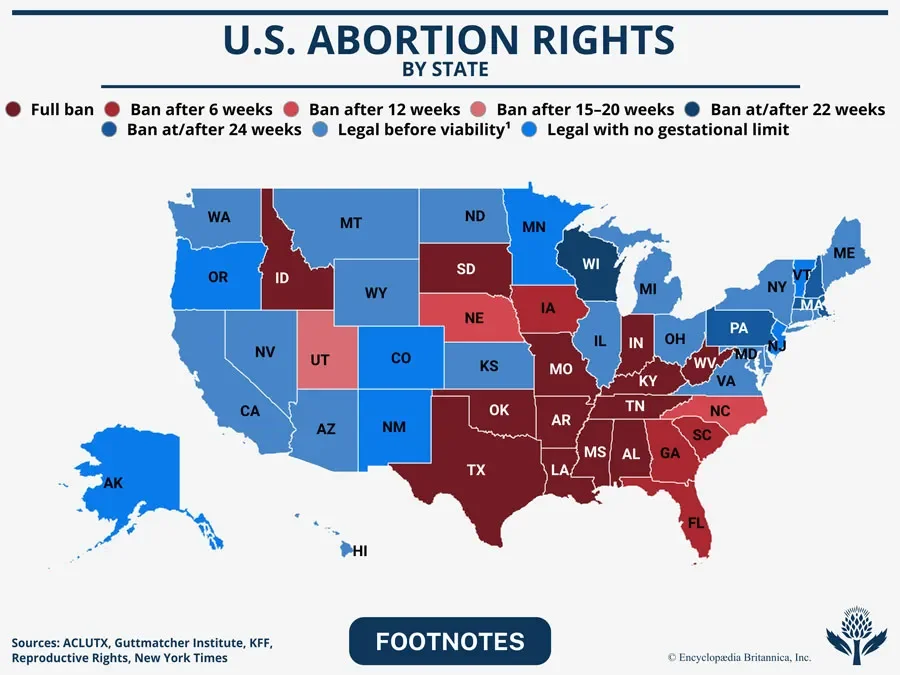
The hospital contended that, given Georgia’s strict abortion law, there was no other option but to attempt to bring Smith’s pregnancy to term. Yet Smith’s mother and family said they were not involved in the decision to maintain her body on life support; they were simply told there was no other option (Caplan, 2025). In a system where abortion is legally restricted after six weeks, even death did not end the state’s interest in Smith’s pregnancy. Though she could no longer breathe independently, her uterus became an object used to sustain a fetus.
We must understand what Adriana Smith’s story means to the future of women. At its core, her story forces us to confront a system where women’s bodies serve as an asset, and as state property. April Newkirk, Smith's mother, spoke in the senate democrats news conference marking four years since Roe v. Wade was overturned: “My daughter did not die from a medical emergency alone. She died inside of a system that had already decided her body wasn't hers. A system that made our family, her own child, spectators to her fate.”
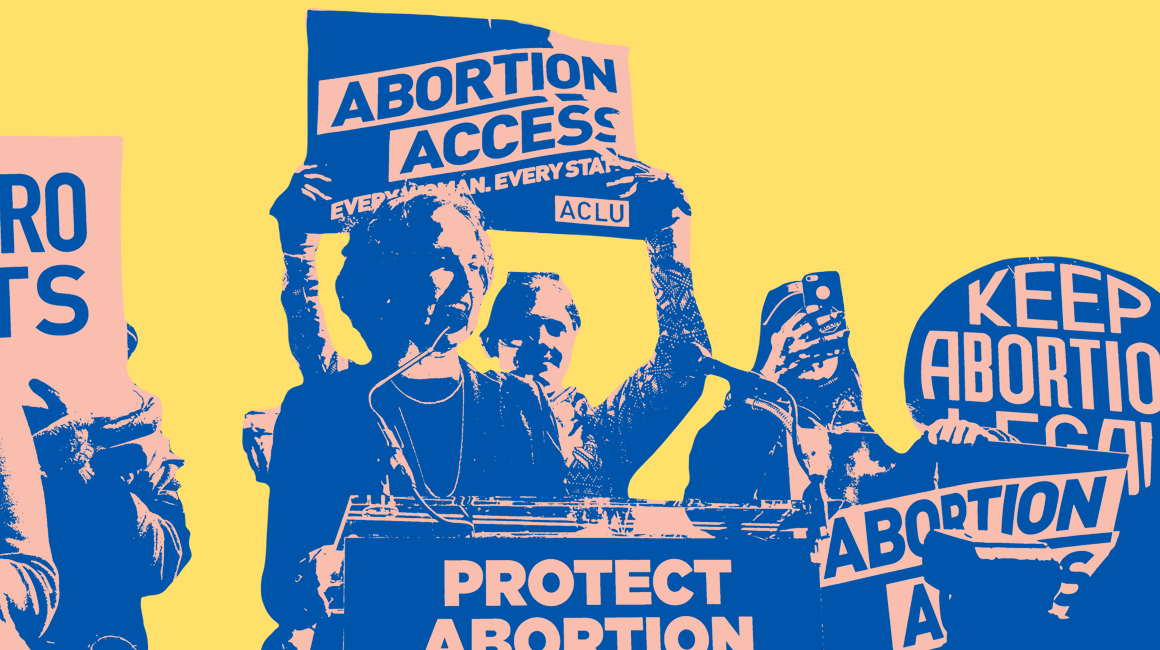
Her story exposes the fundamental truth of womanhood and forces us to remember the history of black women whose bodies have been treated as medical instruments. In the nineteenth century, physician J. Marion Sims conducted experimental gynecological surgeries on enslaved Black women, including Anarcha, who was only 17. Anarcha, Lucy, and Betsey were enslaved women who were treated as “breeders” and subjected to repeated procedures as Sims developed his techniques.
Anarcha underwent as many as 30 operations, without pain relief, based on the racist belief that Black people did not experience pain as white people (Downes, 2020). Anarcha and Adriana’s story expose the immortality of unethical and unconsensual experimentation on the body of black women.
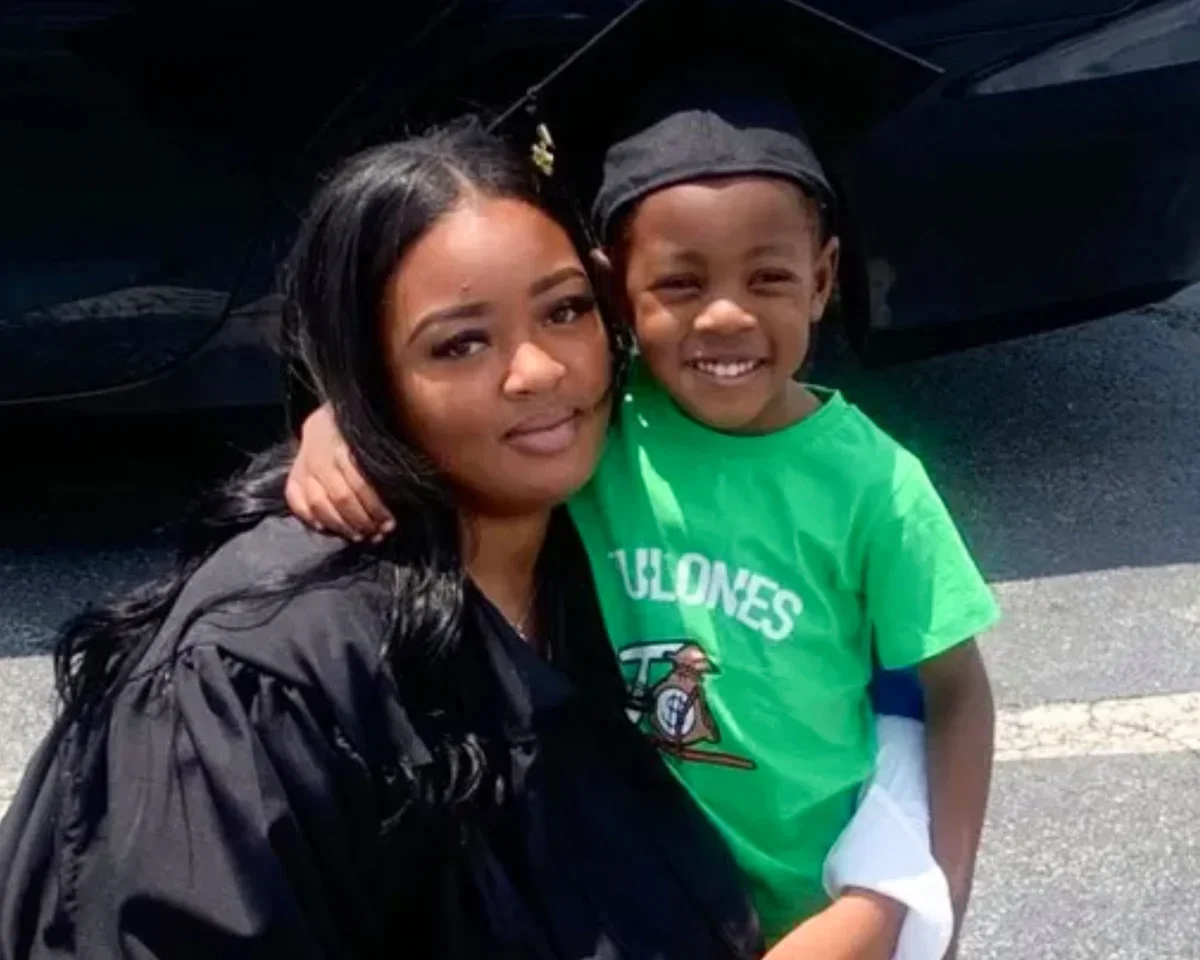
Adriana Smith cannot be remembered merely as wikipedias “pregnancy case”, she was an extraordinary woman–a nurse and a mother whose life extended far beyond the legal controversy surrounding her death. Though the news moved on and the world kept going, we cannot forget Adriana Smith. She was a person before she was a pregnancy. We must condemn the non-consensual use of a woman’s body, even in death.