thoughts that challenge
A space for diverse perspectives and meaningful dialogue. The Op-Ed section features thought-provoking opinion pieces on the issues that matter most to women, including leadership and equality, culture, politics, education, and social change. Each writer has their own style, so please keep that in mind when reading! If something’s not to your taste or you don’t agree with the claim presented, I ask readers to kindly move on to either another piece or section. Thank you!
— The Thread

Pink: More Than Just A Color
By: Amira Niezen
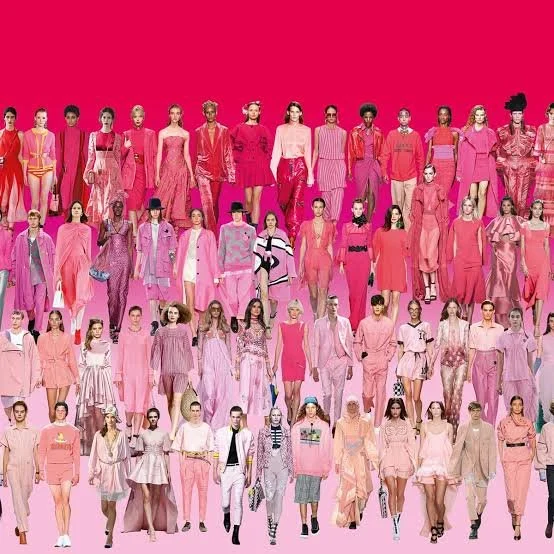
I'm not trying to speak for every girl, but I've lost count of how many times I've heard someone say, “I used to hate pink so much when I was little." And it wasn't just one shade, either. If it was anywhere on the pink spectrum, many of us wanted absolutely nothing to do with it.

I was one of those girls. I refused to wear pink whenever I could, and I even insisted for a while that my favorite color was black. There's nothing wrong with liking the color black, but for me, that just wasn’t the case. Looking back, my rejection of pink wasn't at all about the color itself: it was about everything the color represented.
A color by itself carries no weight or personality. Yet we attribute entire identities to it. Pink became associated with fragility and beauty, while blue was linked to confidence and strength. Believe it or not, kids are very perceptive, especially at a young age. Even before they’ve fully understood what gender roles are, they notice which qualities society values and which it dismisses completely.
The Guardian Magazine
For many young girls, disliking pink became more than disliking a color: it became a way of actively rejecting the assumptions that came with it. Pink represented being "girly," which was often portrayed as weak, dramatic, or less capable than the rest. Due to these attributions, we then took distance from pink, as if we were distancing ourselves from those stereotypes. Choosing black, blue, or any other color wasn't necessarily about fashion: it was, consciously or not, an attempt to be taken more seriously in a space where that opportunity wasn’t always given.
Ironically, many of us (myself included) eventually grew out of that phase. Not because the meaning of pink changed, but rather because we realized it never needed defending in the first place. The problem was never about the color. It was the meanings we had credited to it.
Pink is neither empowering nor limiting. It is simply a color like any other. True empowerment comes when girls feel free to love pink, hate pink, or wear every shade in between without believing that any choice says something about their intelligence, strength, or worth.
My body, A MAN’S CHOICE
Explaining anything to some men can be hard; sometimes we've really got to dumb things down, and then, maybe, if you’re lucky (and very patient), they'll come closer to forming some understanding. But perhaps the problem is that we have been explaining ourselves to men for far too long. We live in a world where a room of men—a room I might as well call a frat—can decide what we wear, what we do with our bodies, and which beauty standards we are expected to resemble. Somehow, even our health has become something to debate, regulate, and control. And that is the patriarchy at its finest hour: men making decisions about the very experiences they will never have to live through. And so the abortion conundrum begins: in a room full of men.

"March for Life" in Washington, D.C., U.S., January 23, 2026. REUTERS/Kylie Cooper Purchase Licensing Rights
Written By: A Woman —Micaela Gonzalez
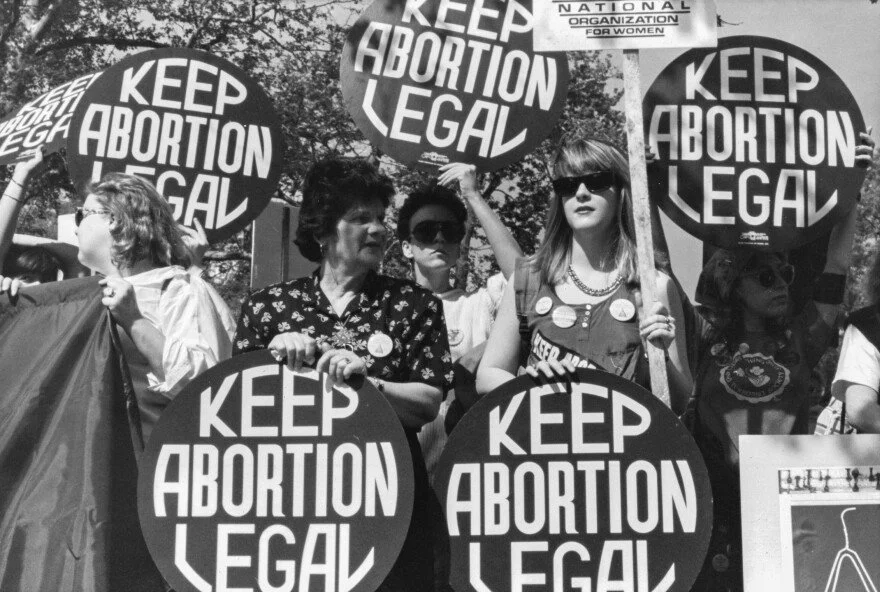
We are told that choice is a right we attain at birth. Yet, all over the world, women are constantly criticized simply for taking action over their own bodies. The rising and contentious predicament of abortion has led to a variety of divergent controversies in our modern-day society. Some refute by blaming women without validity or logic. Of course, let's blame the person with a uterus; it's totally reasonable! Jokes aside, abortion is a human right, and its criminalization will not magically eradicate abortions; instead, if birth control were accessible to all, condoms were free, and some good sex-ed were taught, perhaps we could prevent more unintended pregnancies in the first place.
In my personal opinion, though… if men could get pregnant, abortions would be sold in vending machines: quick, easy, and cheap. Nonetheless, when a woman becomes pregnant, abortions become a felony, a crime, and a sin. So if it is not men who carry a pregnancy, why do they get to decide, and why must we abide? As we begin to unravel the dilemma of abortion, there is one evident and, dare I say, indisputable conclusion: Banning abortions does not protect anyone. On the contrary, it only deepens patriarchal ideals where men believe they have the right to control women's bodies and choices.
Making something illegal doesn't mean it will just vanish into thin air. Likewise, the criminalization of abortion will not induce prevention or elimination; instead, it will just endanger women's lives. In fact, abortion rates are remarkably similar regardless of their legal status: 37 per 1,000 people in countries that prohibit abortion altogether or allow it only in instances to save a woman’s life, and 34 per 1,000 people in countries that broadly allow for abortion, a difference that is not statistically significant (Singh et al., 2018). Independent of whether abortion is legal or not, women still require and regularly access abortion services. And yet, this evidence demonstrates that abortions will continue to occur despite legal prohibitions. Banning abortion will only push women toward unsafe circumstances. So, is it really worth risking women’s lives at the expense of a man-made law?
No fancy words, no sugarcoating, I will say this bluntly and plainly: abortions are a human right. Careful though! BEWARE! Don't repeat this to most guys; learn from my mistake and save yourself from eternal mansplaining and a hilarious attempt to recite the Universal Declaration of Human Rights (Wait until they find out it was a woman who led its creation). Our good friend, Amnesty, states that access to a safe abortion is a fundamental human right. Under international human rights law, everyone is entitled to bodily autonomy. Hence, forcing someone to carry an unwanted pregnancy against their will is a direct violation of these rights. If breaking the law to ban this medical procedure is a consequence, restricting it should not even be an option in the first place.
In a society that claims to value freedom and individual choice, it is contradictory to condemn women for making decisions about their own bodies, treating something that is at its core deeply human as though it were inherently shameful. Your body, your choice, yet society seems to think otherwise. The real danger lies in the criminalization of abortions by those who will never experience its consequences.
Body count: a score nobody asked for
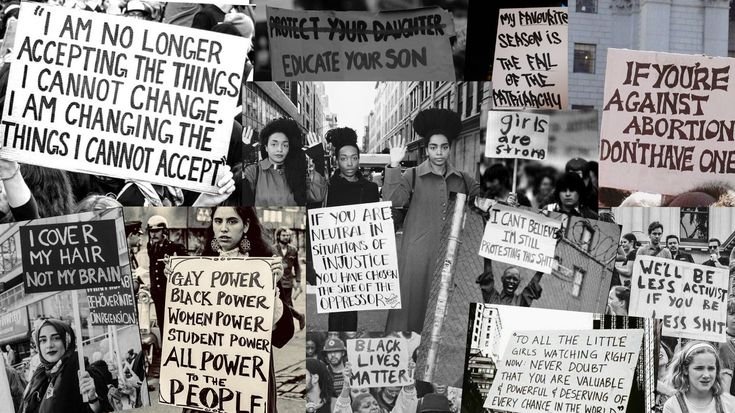
A woman’s “body count” is treated like a scorecard, but the number tells us almost nothing about her character. What it does reveal is how deeply we have been taught to measure women by access to their bodies rather than by the content of their nature.
“What’s your body count?” A phrase so commonly thrown around and so frequently asked that we often forget the intentions behind it. This seemingly simple and straightforward question can immediately turn into a judgment of someone. Let’s illustrate this with a real example that happens way too often in today’s modern society: if a girl were to give an honest answer to this question, people around her would immediately start treating her differently. The answer itself wouldn’t really matter because that question isn’t trying to determine a specific number; it’s intended to place women into different categories based on their worth and modesty. And with this hypothetical (although very realistic), I want everyone to ask themselves: Why has a number become something we use to determine a woman’s entire life story?
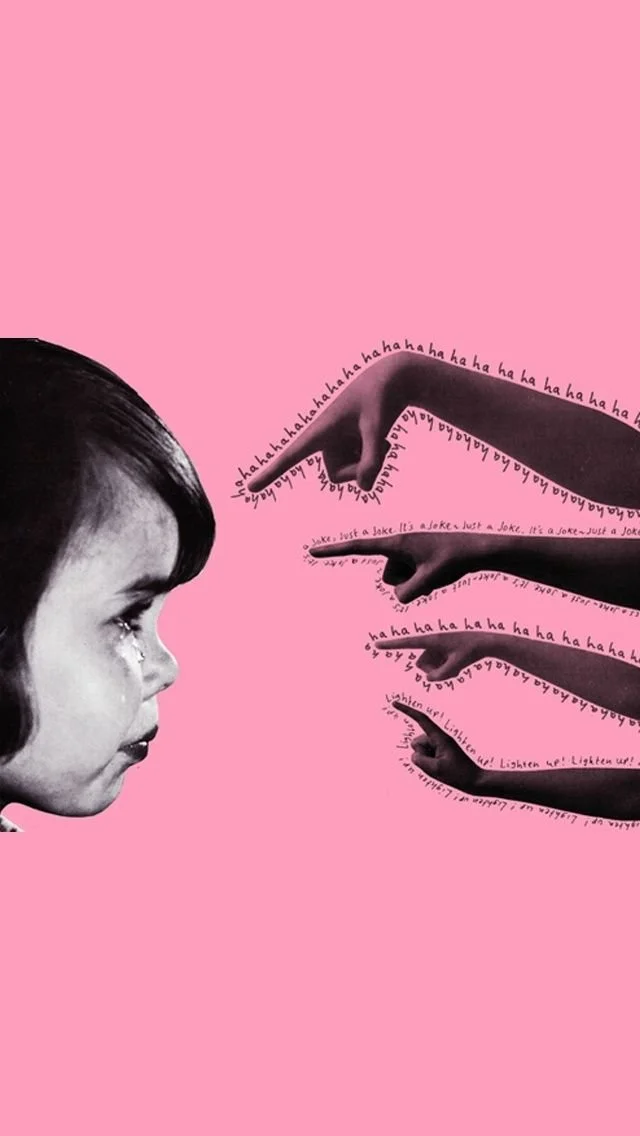
First of all, if men are asking women this question, we would expect women to ask it back and react the same way they do when an answer is given, right? WRONG. Here is where the idea of “double standards” comes into play. There is a clear pattern seen again and again on this topic: Men’s body counts don’t get the same reaction as women’s do, even if that number is the same. Take, for example, a guy who has had many partners (which is not wrong). Some words that would be used to describe him could be experienced, desirable, or even IMPRESSIVE, whereas if a girl had that same behavior, these descriptive terms would change to promiscuous, uninhibited, or shameful. And now I posit this question: Why does the same number supposedly increase a man's status while decreasing a woman's?
This difference in judgment doesn't happen by accident. It reflects a culture shaped by patriarchal ideas about what women are supposed to be. When a man's sexual experience is treated as an achievement but a woman's is treated as a flaw, the message is evident: men are allowed to pursue sexuality, while women are expected to regulate it.
In a few words: The double standard is misogynistic because it holds women to sexual standards that men are not expected to follow, while the patriarchal system behind those standards teaches that women's sexuality should be used as a measure of their worth.
The double standard

“just a number”
“What’s all the fuss about a body count? I mean, it’s JUST a number!”
Except it isn’t; not when that number is being used to make assumptions about an entire person. The problem with the concept of a “body count” is that it takes experiences that are personal, complicated, and deeply human and compresses them into a statistic. Once someone gives a number, the conversation can shift from who they are to what that number supposedly says about them. Suddenly, a person’s past becomes something that can be compared and ranked, as though human experiences were points on a scoreboard.
And what does that number actually tell us? It cannot measure someone's kindness, intelligence, loyalty, maturity, or capacity to love. It cannot tell us how they have grown, what they have learned from their relationships, or how they treat the people around them. Yet we continue to assign meaning to it, particularly when the person being judged is a woman. The number itself has no inherent moral significance; the meaning we attach to it does. When a statistic becomes a reason to respect someone less, we have stopped looking at the person and started looking at a number. That is what makes the obsession with “body counts” so dehumanizing: it encourages us to believe that a single figure can tell the story of an entire human being.
ownership
& control
At its core, the obsession with a woman’s “body count” can also reveal an undeniable sense of ownership. Some men speak about a woman’s past as though the people she has been with somehow determine what remains of her for the next man. The language itself often reflects this idea: women are described as “used,” “passed around,” or having “given themselves away,” as though intimacy takes something from them that can no longer be returned.
But a woman does not become less of herself because she has shared an experience with someone else. Her body is not property that becomes less valuable the more people have known it, nor is her past something that another person has a right to possess or control. When a man believes that a woman should have behaved differently before meeting him so that she would be more “worthy” of him, he is placing expectations of ownership over choices that were never his to make.
This is where the conversation goes beyond preference: it becomes about entitlement. The belief that a woman’s sexuality should be carefully regulated so that she remains desirable, respectable, or “pure” for a future partner reflects a larger history of controlling women’s bodies and choices. A woman can choose who she dates, who she trusts, and what she does with her own body without those choices becoming evidence that she owes anyone a particular version of herself.
The most disturbing part of the conversation surrounding body counts is not simply that women are judged differently from men, but that their sexuality is often treated as something that determines their value. Words like “used,” “ran through,” or “high-value woman” reduce a person to what she has done with her body, as if every past relationship somehow takes something away from her. These terms reveal an uncomfortable assumption: that a woman’s worth is something that can be gained, lost, or diminished through her sexual experiences. Her body becomes something that society feels entitled to police, while her other qualities are pushed to the back. It does not matter how intelligent she is, how compassionate she is, how she treats others, or how much she has grown as a person; suddenly, a number is enough to overshadow all of it.
This way of thinking is especially harmful because it teaches women to view themselves through the same judgmental lens, making them feel that their past experiences permanently define them. But a person is not a product that loses its value through use, and human beings cannot be measured like objects on a shelf. A woman’s experiences do not make her less smart, less deserving of respect, or less capable of being loved.

Preferences
Of course, people are allowed to have preferences when choosing a partner. Someone may feel more comfortable dating a person whose past relationships or experiences align with their own values, and that does not automatically make them misogynistic. The problem begins when a personal preference becomes a justification for humiliation.
There is a difference between saying, “I don't think we would be compatible,” and saying that someone is less respectable or less worthy because of their past. Calling something a “preference” does not erase the judgment behind it, especially when that preference is rooted in a double standard that demands one level of behavior from women and another from men. If someone chooses not to date a person because of their history, that is their decision; however, they do not need to turn that decision into a statement about that person's character or value.
Standards can determine who we choose to be with, but they should never determine who we believe deserves respect. We can acknowledge that people have different boundaries and values while still recognizing that no one is entitled to shame another person for choices from their past. A standard can tell you who you want to date. It should never tell you who deserves respect.